The big picture
Every project is different, but most follow the same stages: design, permits, bidding and construction. Each has its own time range, and the total depends on size and complexity.
Owners in Nashville should plan in months, not weeks, for anything beyond a small renovation.
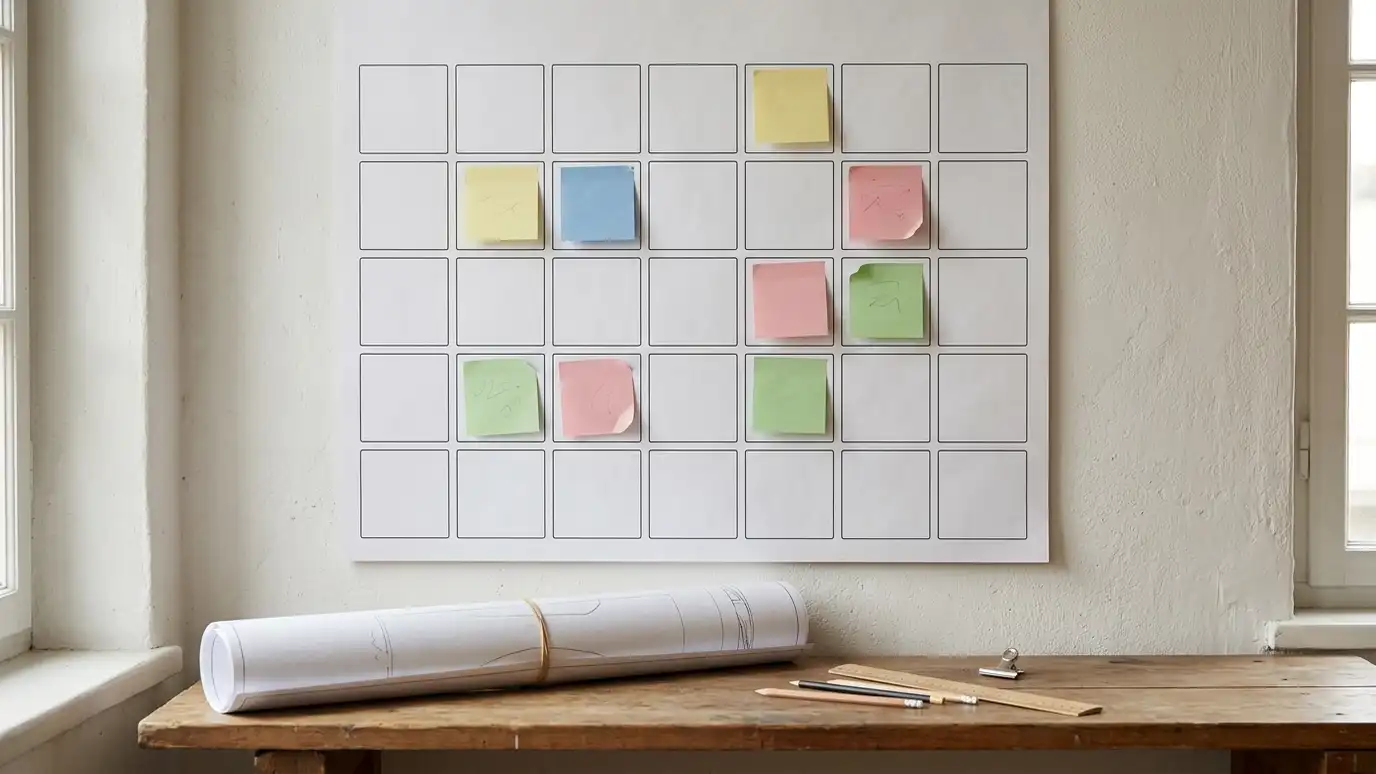
A roadmap at the start helps you plan money, housing and other commitments.
Write the dates you care about, such as school starts, lease ends or holidays, and share them at the first meeting. A realistic schedule is built backward from them.
Design
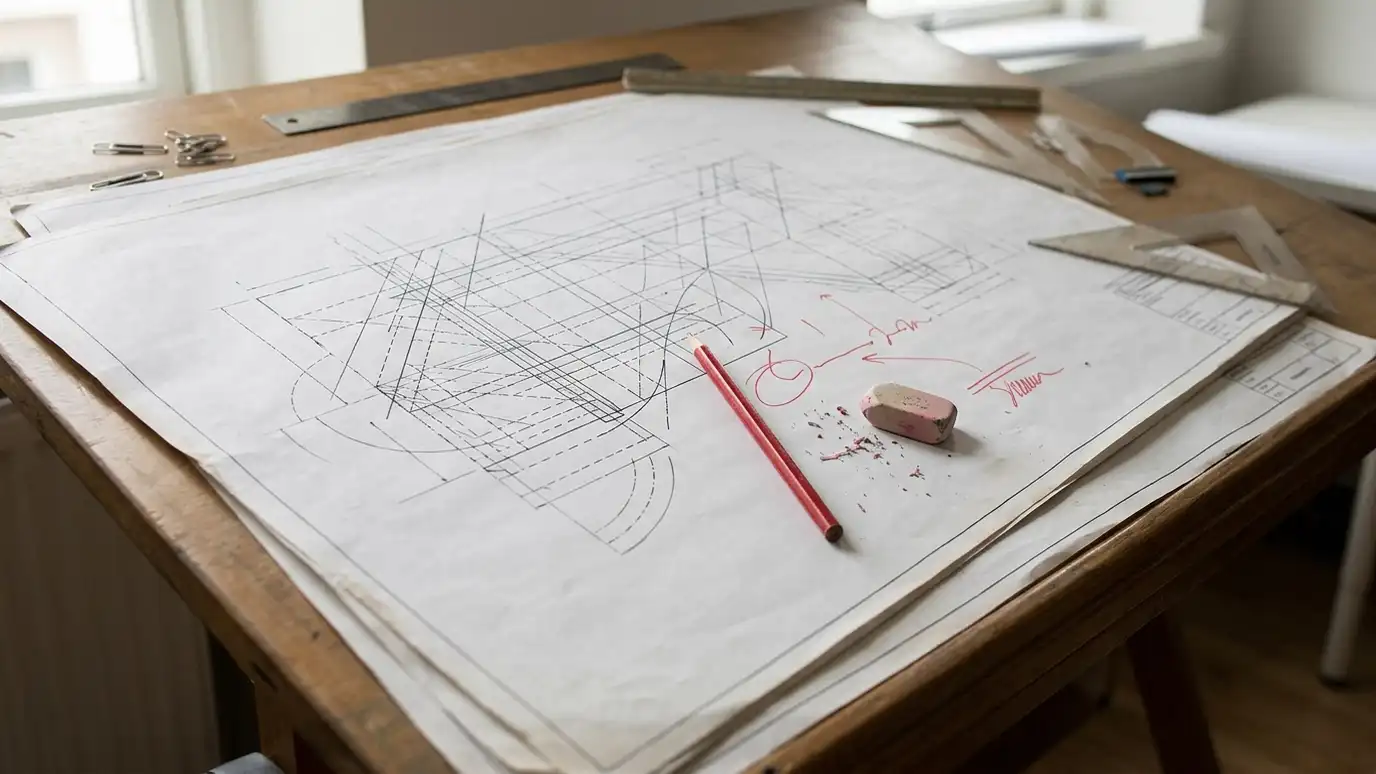
Small projects can be designed in a few weeks. Additions and renovations often take a couple of months. Custom homes and commercial buildings take several months or more. Time is spent on listening, drawing, reviewing and refining.
Quick decisions by the owner shorten the design phase.
Delays often come from late decisions and changes.
Set review dates for each design milestone and keep them. A project that waits for decisions loses time quickly.
Permits and approvals
Review times vary by jurisdiction and project type. Overlays, historic review and variances can add weeks or months. Responding quickly to comments helps.
Check zoning and overlays before design so surprises come early.
Plan time for approvals in your schedule.
Check typical review times with the jurisdiction and ask your architect for recent experience. Actual times vary by project and season.
Bidding and contracts
Pricing and choosing a builder often take several weeks. Long-lead items such as windows and custom cabinets may need to be ordered soon after.
Early builder involvement can shorten this phase.
Contracts should state start and completion dates.
Ask suppliers for current lead times on windows, doors, cabinets and special products. Lead times change, so verify them during design.
Construction
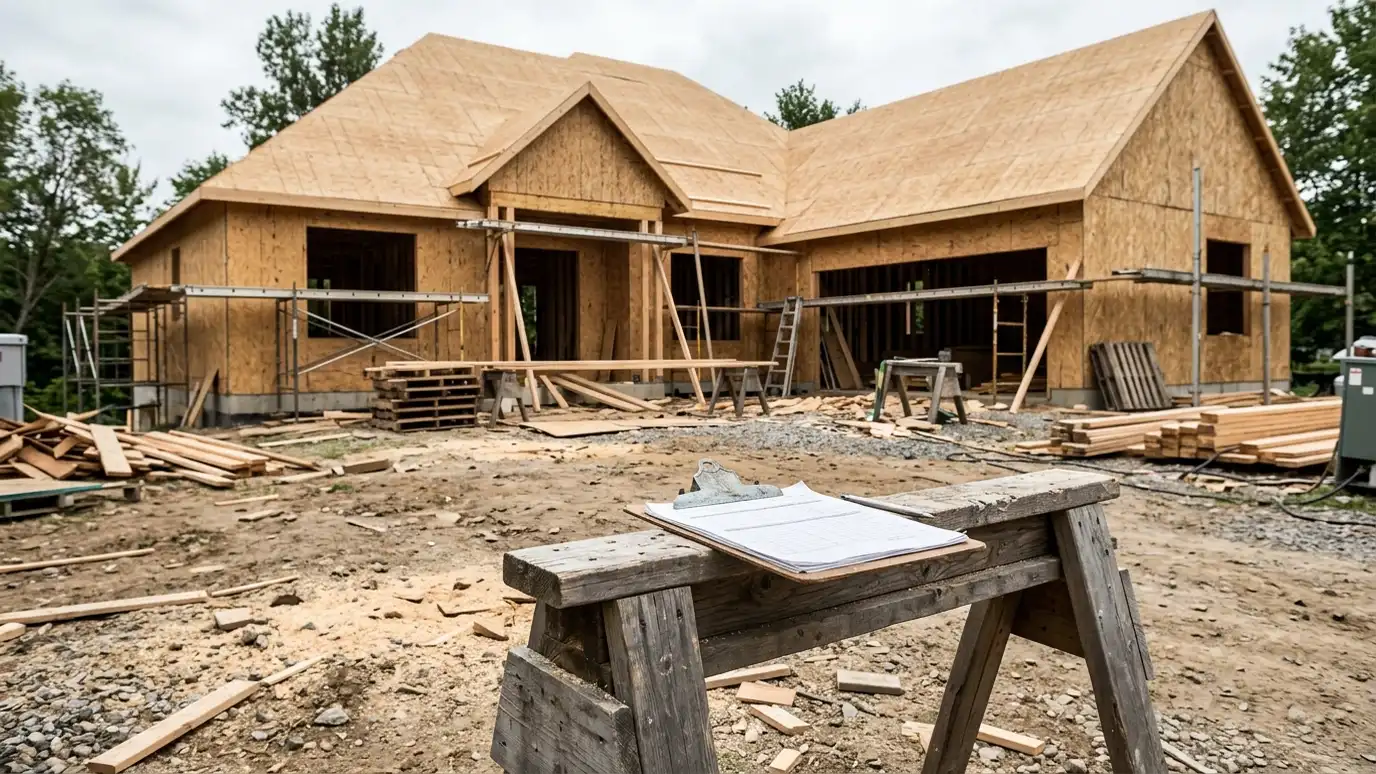
Small renovations can take weeks to a few months. Additions often take a few months. Custom homes commonly take most of a year or more. Weather, material delivery and inspections affect the pace.
Surprises are common in renovation.
Regular meetings keep the schedule realistic.
Build a buffer for weather and inspections, especially for exterior work. A realistic schedule keeps relationships healthy.
Ways to move faster
Make decisions early. Choose major finishes before drawings finish. Involve a builder during design. Prepare complete permit drawings. Order long-lead items promptly. Avoid late changes.
Be realistic about what is rushed.
Our timeline planner gives a rough sequence for your project type.
Review the schedule each month with your builder and architect. Small adjustments are easier than big rescues.
Plan in phases, build in time for approvals and long-lead items and decide early to keep the project moving.