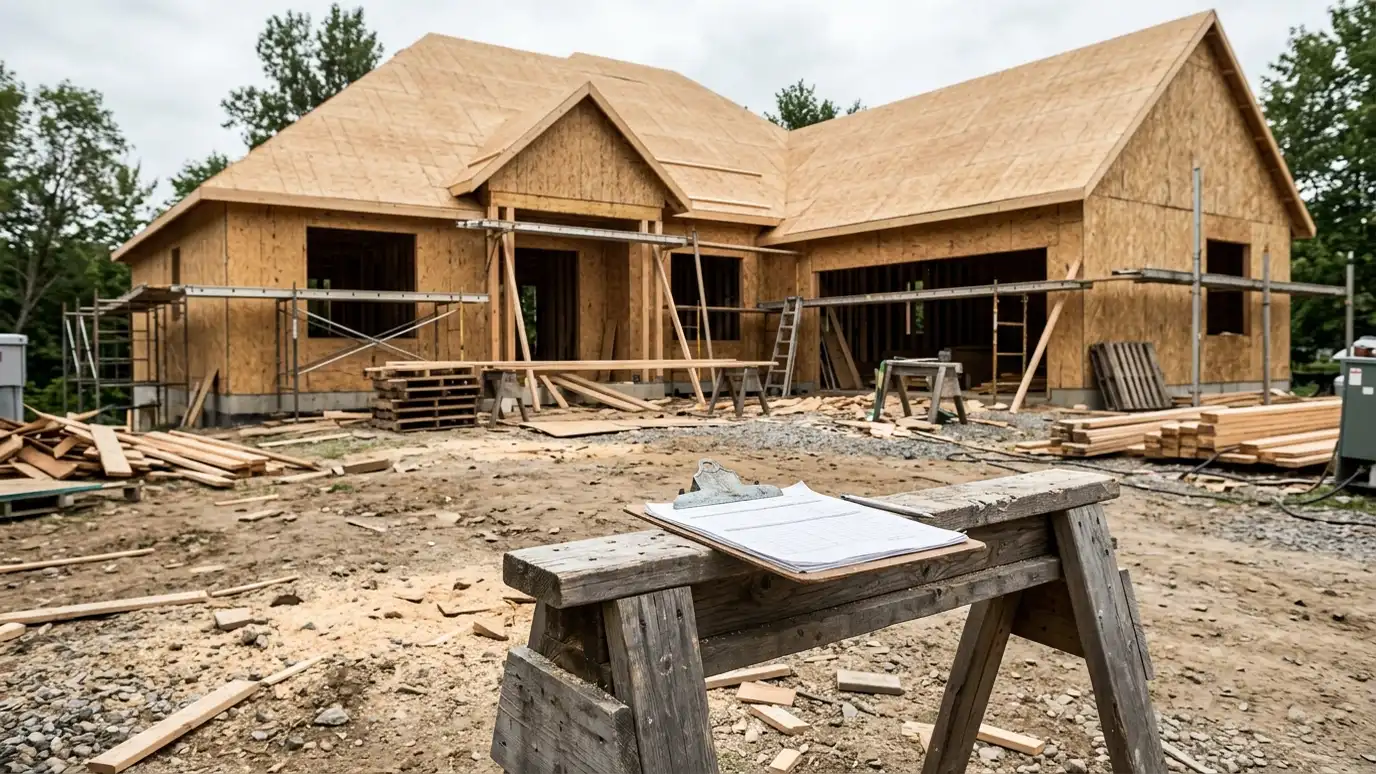
Why the architect stays involved
The drawings are complete, but questions arise during construction. Products need to be chosen, conditions differ from what was expected and details need clarifying. An architect who stays involved helps the finished building match the design.
Owners in Nashville often find that this phase protects their investment.
The level of involvement is something you and the firm agree on.
Discuss the scope of construction services before the contract is signed. A clear agreement avoids confusion about who does what once work starts.
Site visits
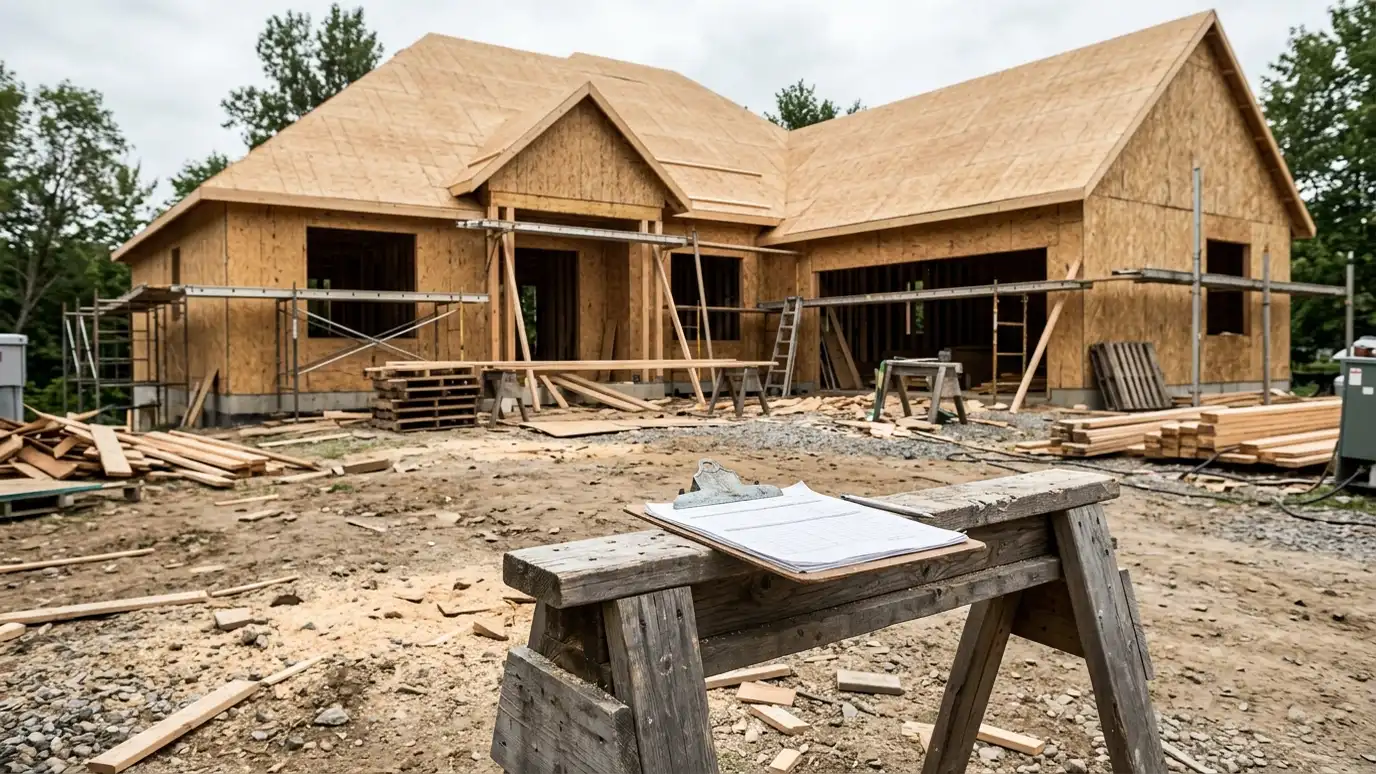
The architect visits at agreed stages to see the work and compare it to the drawings. Visits might happen at foundation, framing, rough-in and finishes. Each visit ends with notes and photographs.
The builder controls means and methods and safety on site.
Regular visits catch problems early.
Plan a short meeting on site at each visit with the builder and the owner when possible. Walking the work together builds shared understanding.
Questions and clarifications
Builders send requests for information, or RFIs, when something is unclear. The architect answers in writing, often with sketches. Fast answers keep work moving.
A tracking log shows what is open.
Clear communication prevents misunderstandings.
Ask the builder to log questions and share them in one list. Grouped questions are easier to answer and track.
Submittals and samples
Before a product is installed, the builder submits product data or samples for review. The architect checks them against the specification and approves or asks for changes.
This step catches wrong colors, sizes and models before they are on the wall.
Long-lead items should be submitted early.
Order long-lead products early and submit them for review quickly. Late submittals are a common cause of delays.
Changes and payments
Sometimes the scope changes. A change order records the change, its cost and its effect on the schedule. The architect can review proposed changes. Many contracts also use pay applications, which the architect can review against progress.
Understand your contract before work begins.
Keep decisions in writing.
Ask for change orders in writing before the work is done. Clear records of price and time protect everyone.
Closeout
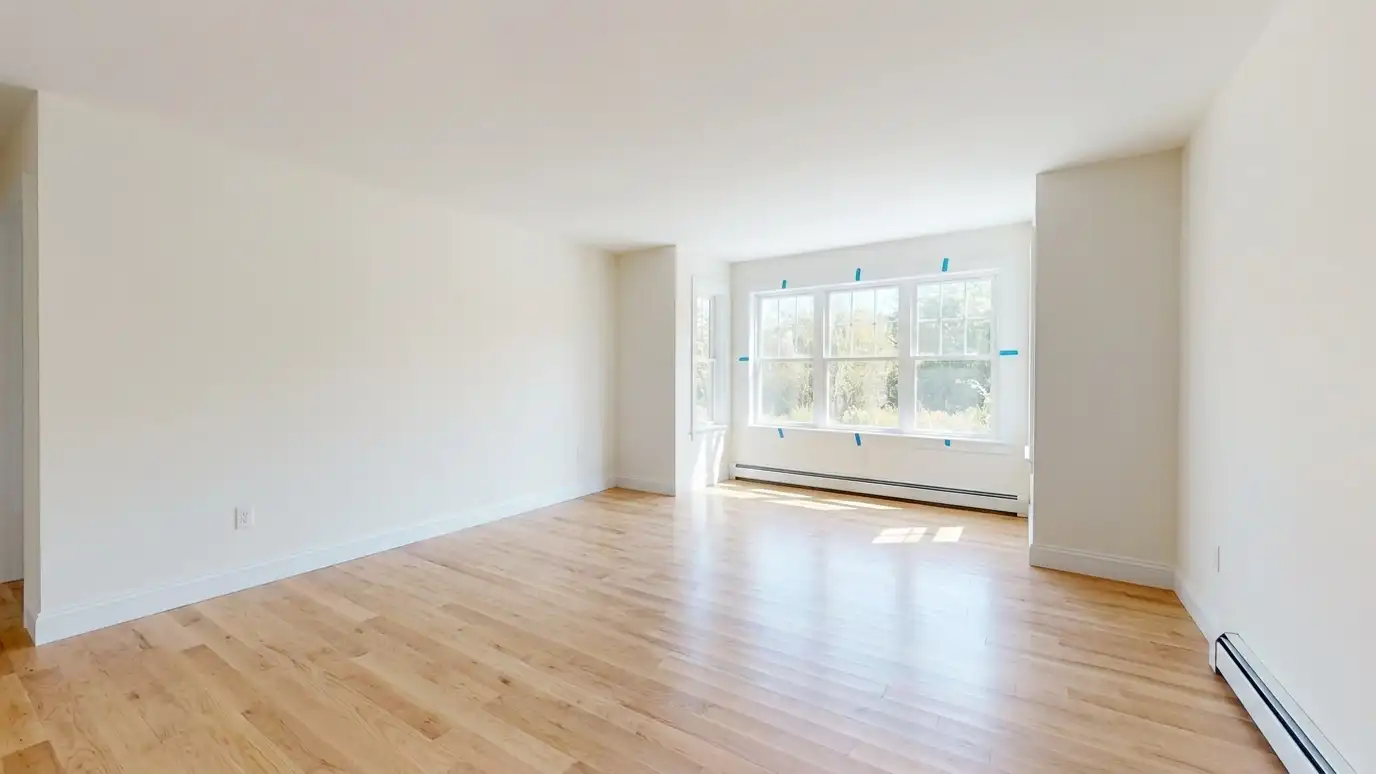
When the work is nearly done, a walk-through creates a punch list. The builder completes the items and delivers manuals and records. The architect confirms completion.
The last items take patience.
Keep your documents for the future.
Keep a binder of closeout documents, including manuals, product data and final drawings. It will be useful long after the project is finished.
Agree on site visit frequency, answer builder questions quickly, review products before they are installed and keep changes in writing.