Walk the land
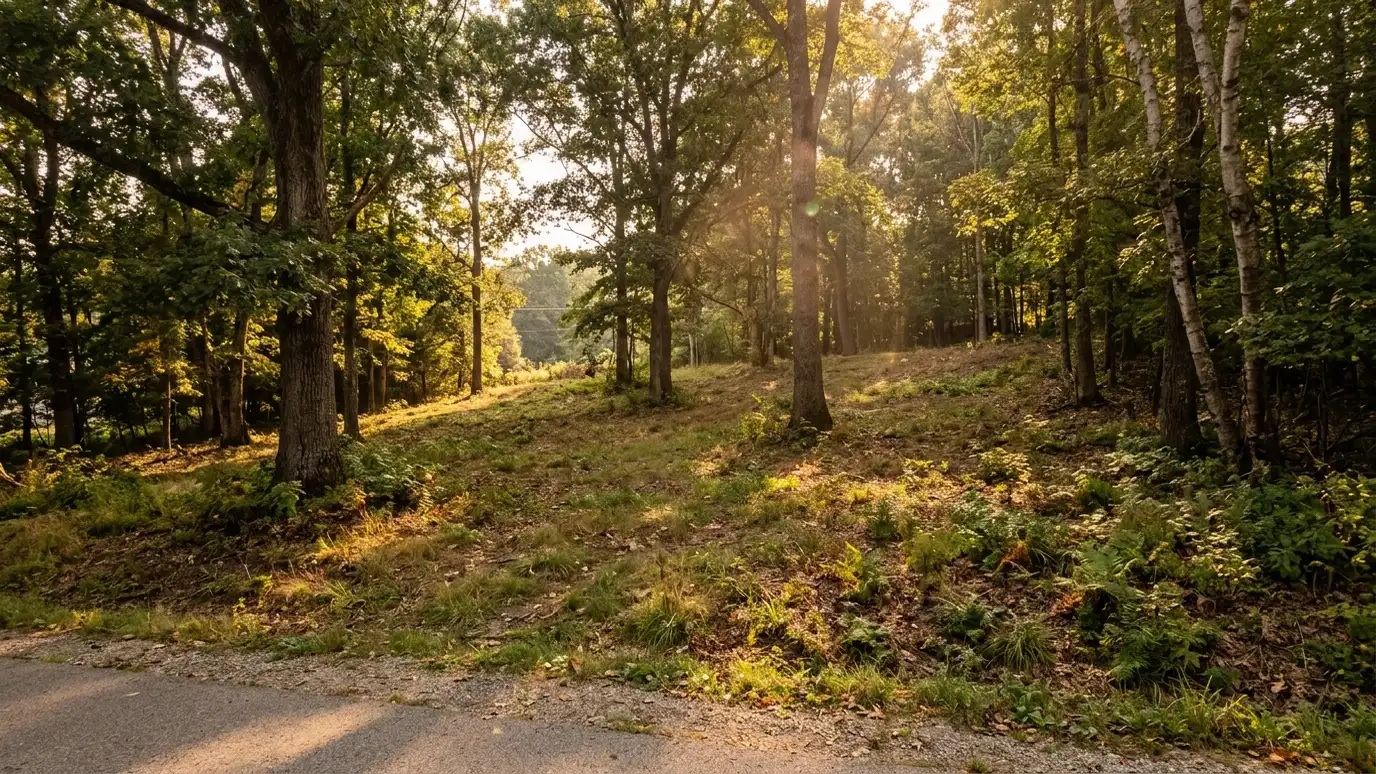
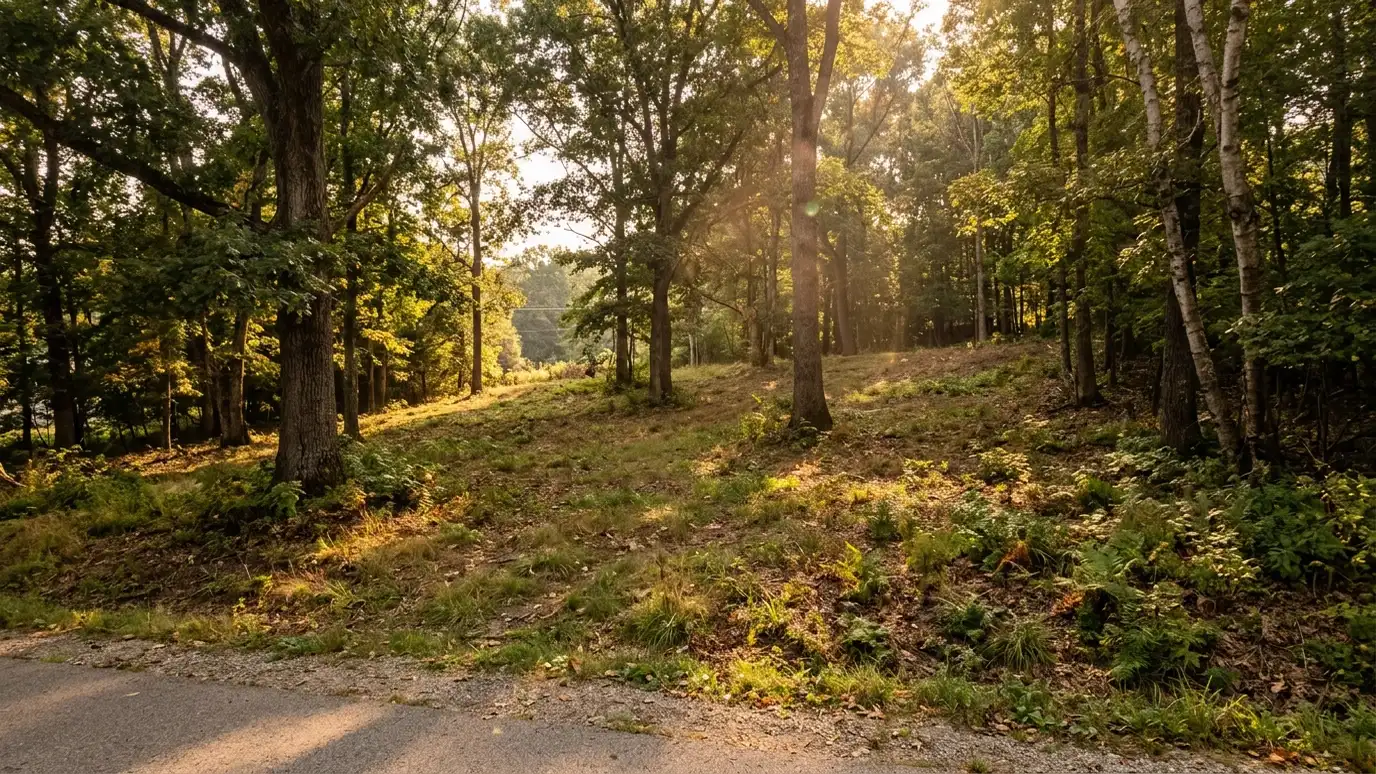
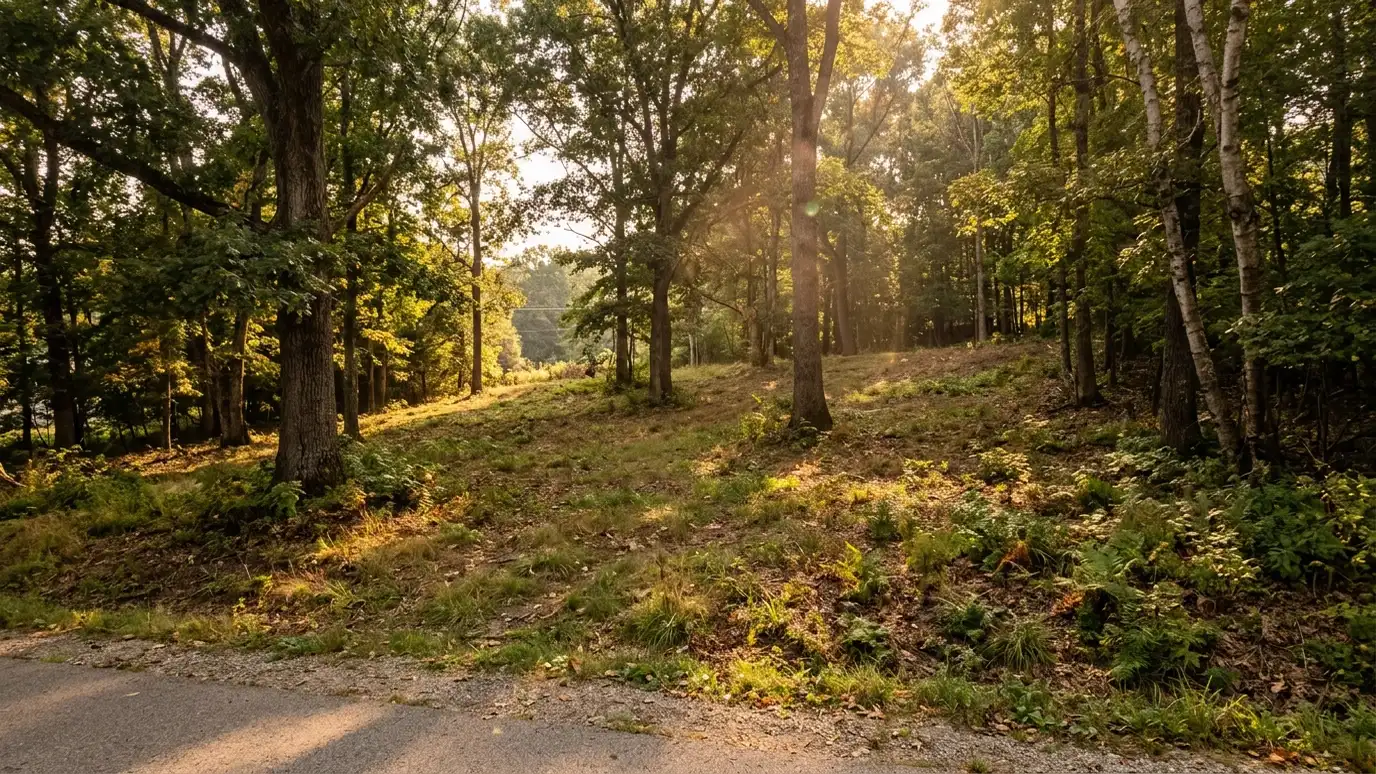
Visit the lot more than once, at different times of day and after rain. Notice the slope, the trees, the views and where water goes. Look at the neighbors, the street and how quiet or busy the area is.
Buyers in Nashville sometimes fall for a view and overlook a steep driveway or a wet corner.
Take photographs and note anything that surprises you.
Bring a camera and a notebook, and record where water flows, where sun falls and which neighbors are close. These notes prove useful when you meet the design team.
Read the slope and the soil
Steep lots need more foundation work, retaining walls and drainage planning, which add cost. Soil and rock affect excavation and footings. A geotechnical report is often wise on difficult sites.
Slopes can also create the best houses, with walkout basements and views.
An architect can tell you how a slope may shape the plan.
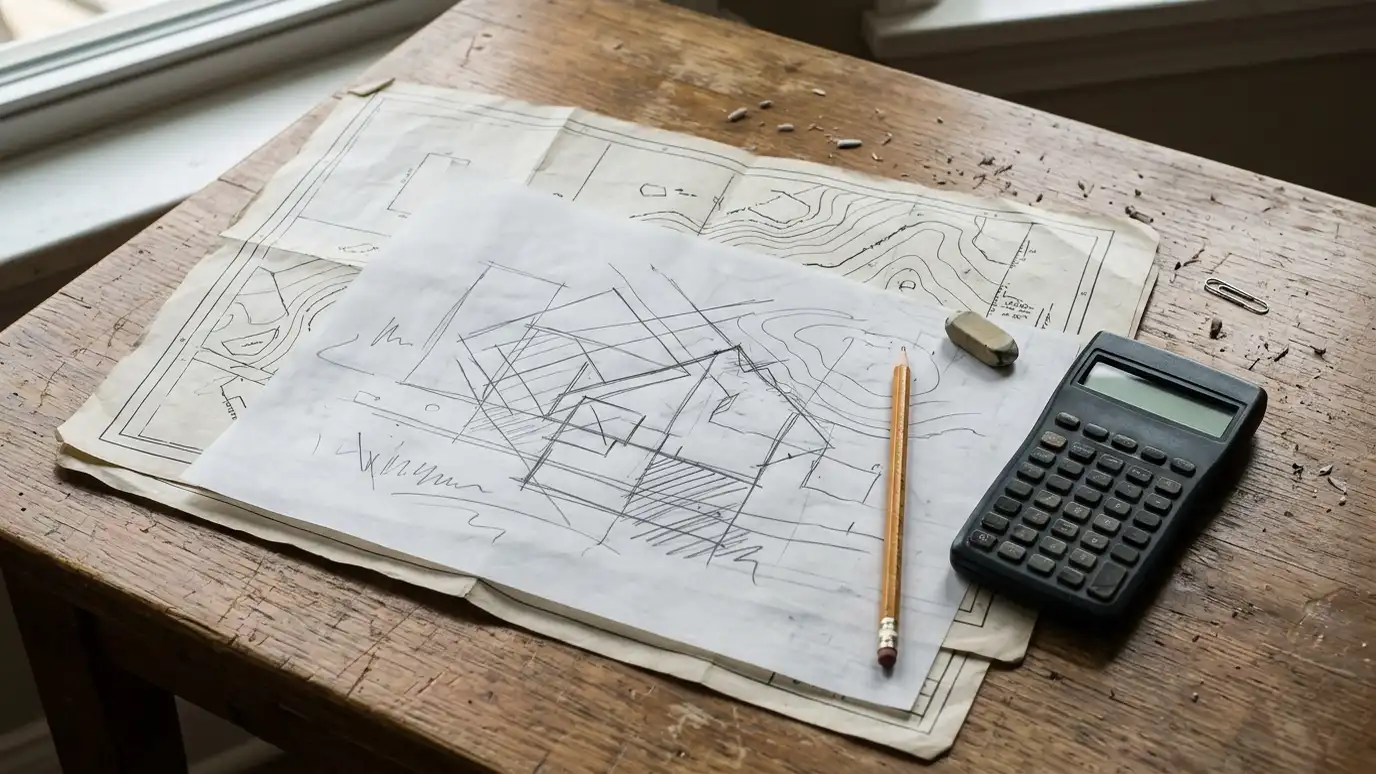
If a steep lot excites you, ask a design professional to sketch ideas before you buy. A simple study shows whether the slope is an asset or a burden.
Check utilities and access
Are water, sewer and power at the lot, or far away? Is there a septic option? How long and steep would a driveway be? Utility extensions and long drives can cost a great deal.
Ask the local utilities about capacity and fees.
Look at how emergency vehicles and delivery trucks will reach the site.
Call the utility providers and ask where lines end and what connection fees might apply. Written answers help you budget with confidence.
Learn the rules
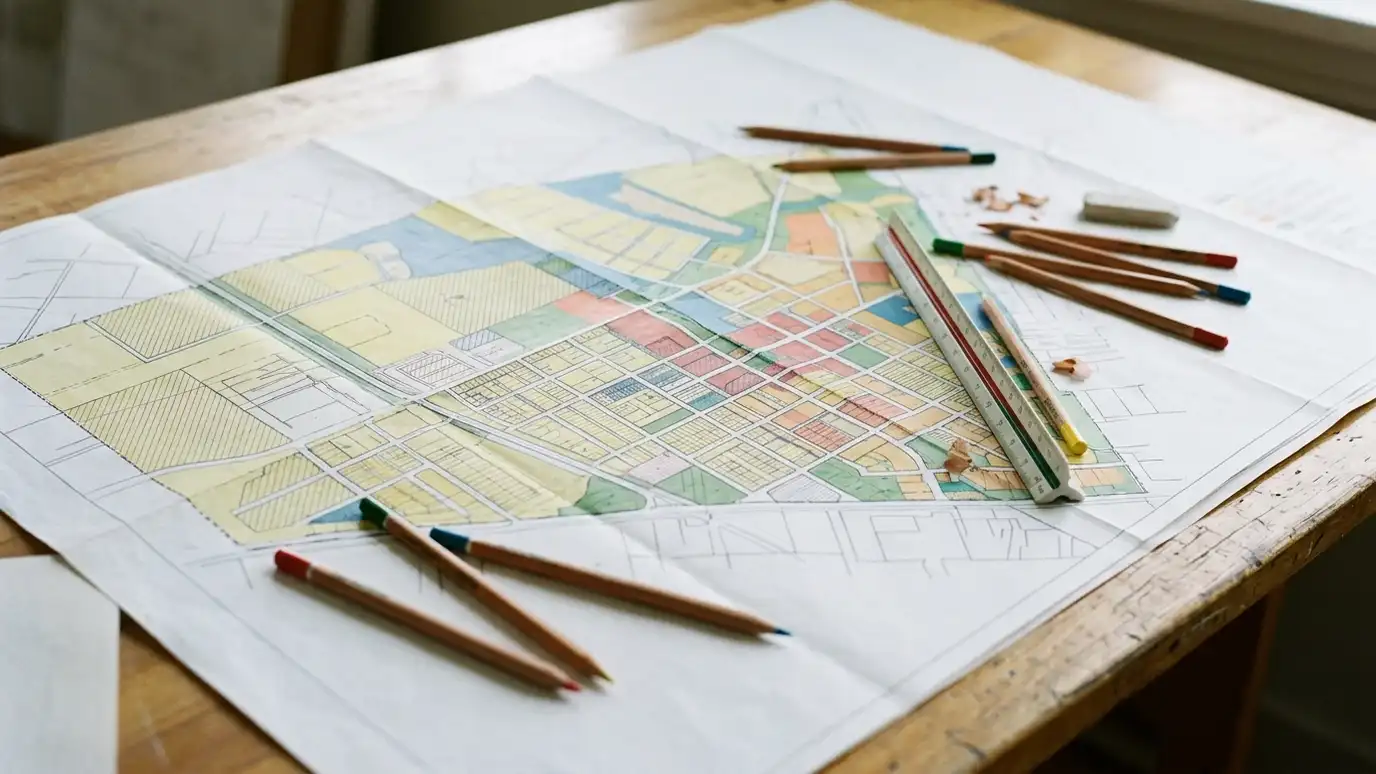
Zoning sets use, setbacks, height and coverage. Overlays, historic districts, HOAs and easements add limits. Buffers along streams and tree rules may also apply.
Knowing the buildable area tells you how large the house can be and where it can sit.
We review these rules as part of a zoning and site study.
Request a zoning review that lists setbacks, height limits and overlays. A single page of rules often decides what is possible on the lot.
Check flood and drainage
Flood maps show whether a property lies in a hazard area, which can change foundation requirements and insurance. Even outside mapped areas, local drainage can matter.
Look for signs of past water, such as erosion lines.
A civil engineer can study drainage and stormwater needs.
Look at flood maps and walk the site after a heavy rain if possible. Water tells the truth about drainage in a way that drawings cannot.
Test before you commit
Before you close, test your idea on the lot with a feasibility study: how big a house fits, where it sits and what major site costs to expect.
Use your inspection period well and ask for records such as surveys and past reports.
A little study can save a great deal of money.
Ask the seller for existing surveys and reports, and use your inspection period to order any that are missing.
Visit often, read slope, utilities and rules, check flood and drainage and test your plan on the lot before you buy.